


Family decisions · Florida
When a parent refuses care
Start with listening and a small, reversible step.



First steps
A checklist when a parent says no
- Listen first. Ask what they fear: losing the house, the cost, being a burden, or a loss of control. Many refusals are about one of those, not about care itself.
- Offer a reversible step. A few hours of home care, an adult day program, a short respite stay, or a tour of a community is easier to accept than “you have to move.”
- Involve a trusted doctor. A medical visit can check hearing, medication, depression, infection or other causes of a sudden change, and can speak to decision-making capacity.
- Put papers in place while they can sign. A durable power of attorney and a health care surrogate only work if your parent has capacity when they sign. See power of attorney and health care surrogate in Florida and legal steps after a dementia diagnosis.
- Call for danger or self-neglect. If your parent cannot meet basic needs and will not accept help, or if you suspect abuse or exploitation, contact Florida Adult Protective Services at 1-800-962-2873. If it is an emergency, call 911.
- Treat guardianship as a last resort. A Florida court can appoint a guardian if someone cannot make decisions and less-restrictive options will not work. That is a legal process. Talk with a Florida elder-law attorney; this page is not legal advice.
Start with listening and a small, reversible step. Here is who to call, and what not to rush.
Last updated
Good to know
- Start by listening, and offer a small step that can be undone: a few hours of home care, a day program, a short respite stay, or a tour rather than a move-in.
- Ask a doctor to check health and decision-making capacity.
- While your parent can still understand and sign, put a durable power of attorney and a health care surrogate in place.
- Florida APS1-800-962-2873
- Elder Helpline866-413-5337
- If it is an emergencyCall 911
The conversation
Ways to talk without forcing a decision
Use “we” and focus on one worry at a time: falling, missed medications, or being alone at night. A visit to compare communities, or a trial of home care, is often easier than a permanent plan.
If memory is already changing, a single long argument rarely helps. Bring a trusted doctor, clergy member or friend, and keep the next step small. Read early signs and stages of dementia and dementia care at home if that is part of the picture.
Adult children often disagree with each other too. Agree on the safety facts first, then on one next step. Jeff can walk the family through licensed options from Naples to Fort Myers; families do not pay Jeff.
Capacity & papers
When to involve a doctor and an attorney
Capacity is about whether a person can understand a decision and its consequences at the time they make it. It can change from day to day, and it is not the same as a dementia diagnosis. A physician can document what they observed; a lawyer can explain which documents still work.
A durable power of attorney (chapter 709, Florida Statutes) and a health care surrogate let a trusted person help while those documents are in effect. They generally cannot be created after the person has lost capacity. If there are no valid papers and the person cannot make decisions, a court petition for guardianship may be the remaining path. That is a last resort, and you should get legal advice from a Florida attorney. The Florida Bar lawyer referral service can help you find one.
Safety
When to call Adult Protective Services
Florida’s Adult Protective Services, part of the Department of Children and Families, takes reports of abuse, neglect, exploitation and self-neglect of vulnerable adults. Call 1-800-962-2873 (1-800-96-ABUSE), or use the Florida Abuse Hotline. If someone is in immediate danger, call 911 first.
A refusal of help is not, by itself, a reason to call. A report is appropriate when a vulnerable adult cannot meet basic needs, is being harmed or exploited, or is in danger and will not or cannot accept help. APS screens the report and can investigate; it does not replace a doctor, an attorney or a family conversation.
For local aging programs and screening, call the Elder Helpline, 866-413-5337. Concerns about care in a licensed facility can go to the Florida Long-Term Care Ombudsman Program, 888-831-0404.
Sources: Florida Department of Children and Families, Abuse Hotline; Section 709.2104, Florida Statutes (durable power of attorney); Section 744.331, Florida Statutes (guardianship); The Florida Bar, lawyer referral service. Checked November 23, 2026.
Keep reading
Related guides
- What legal steps should we take after a dementia diagnosis in Florida?
- How do a power of attorney and health care surrogate work in Florida?
- What is the difference between live-in and 24-hour home care in Naples or Fort Myers?
- How can we care for a parent with dementia at home?
- What are the early signs and stages of dementia?
- I am burned out caring for a parent. Where can I get support?
- All senior care questions
Talk it through with Jeff. Jeff Silberman helps Naples families compare senior living and plan the move, including the house when that is part of it. Families do not pay Jeff for this guidance; he is paid by the communities. Call or Text Jeff at 609-575-8626
What should I do first when a parent refuses care?
Can I force my parent to move to assisted living in Florida?
When should I call Adult Protective Services?
Should we get power of attorney now?




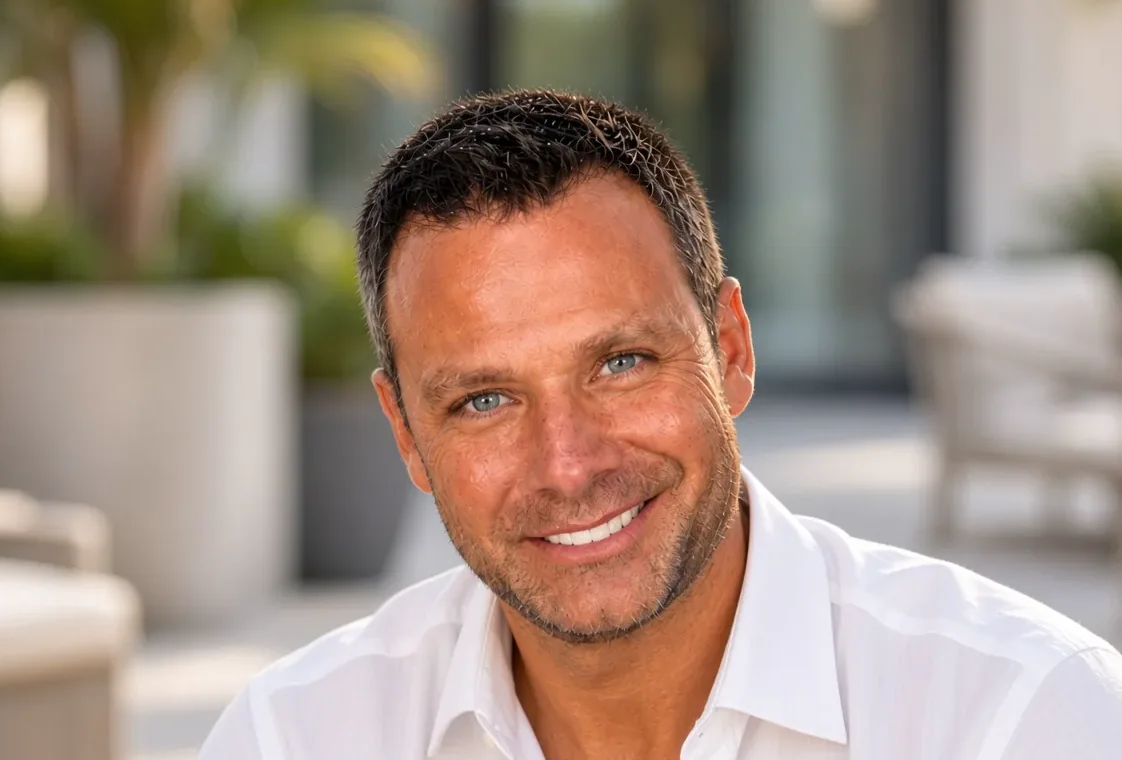
A real person behind the guide
Not sure where to start? Ask Jeff.
Jeff Silberman helps Naples families compare senior living, plan the move and handle the house. One call, and you will know your next step.
Updated Wednesday, Nov 25, 2026